Project Visibility Tools: What Actually Works in 2026
A breakdown of the real visibility landscape for engineering teams and what to look for.
By Ege Uysal
Search for engineering visibility tools and you will get listicles of Jira, Linear, and Asana. They are fine tools. But they solve a different problem than the one most engineering leads are actually experiencing.
The problem is not tracking tasks. It is knowing, at any given moment, whether your project is healthy: what is blocked, what decisions are sitting open, and what context exists only in someone's head.
These are two different things.
- Status is "PR is open."
- State is "that PR has been open for four days because the team is waiting on a decision about the auth flow that nobody has formally closed."
Almost every tool on the market optimizes for status. State is harder, and it is where most teams lose weeks.
Why the standard toolkit fails
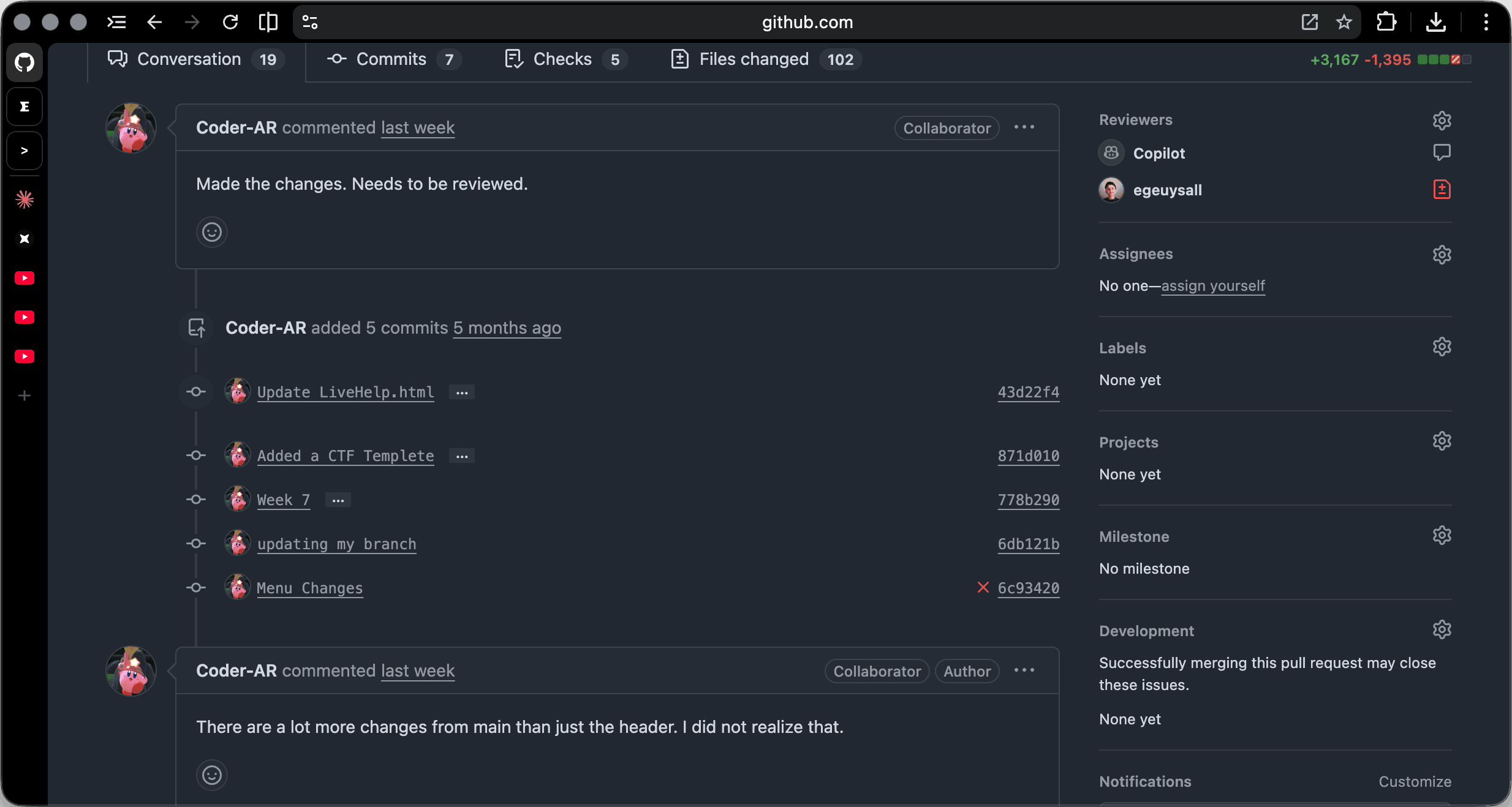
The standard engineering visibility stack in 2026 looks like this: a project management tool like Linear or Jira, a communication tool like Slack, and a code host like GitHub. Individually, each is excellent. Together, they create a visibility gap that grows as the team grows.
Here is why. Each tool captures a slice of project reality:
- GitHub captures what shipped and what is in review
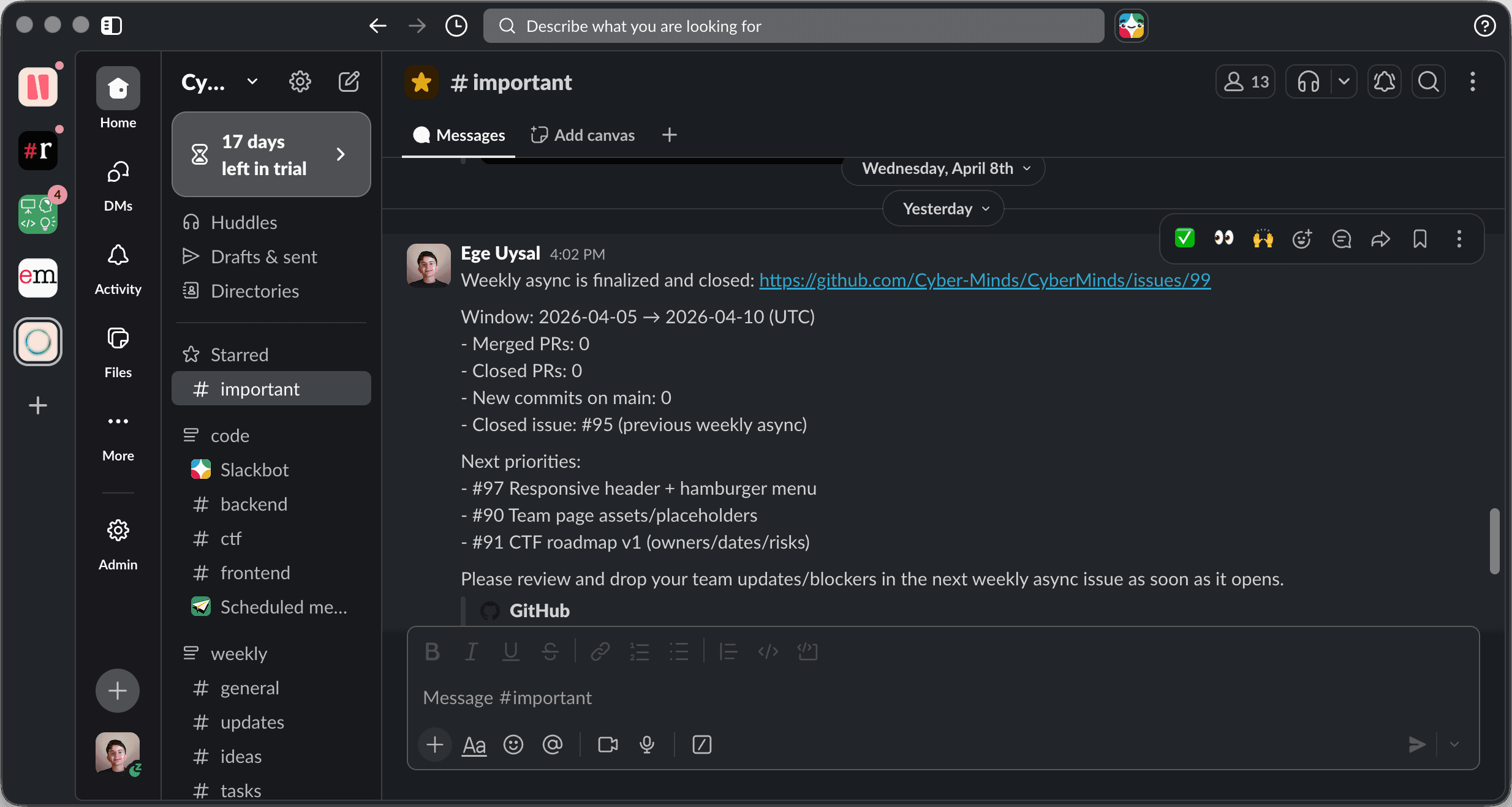
- Slack captures the decisions and discussions that happened
- Linear or Jira captures what was planned
None of them synthesize across all three. The actual state of a project lives in the gaps between them. Engineering leads end up doing that synthesis manually, usually in standups that exist precisely to paper over the visibility gap.
The daily standup is not a coordination ritual. It is a workaround for a tooling gap. Teams rebuild in ten minutes what their tools should be maintaining continuously.
The result is teams that move fast at the task level but drift at the project level.
The real landscape, broken down by what each category actually solves
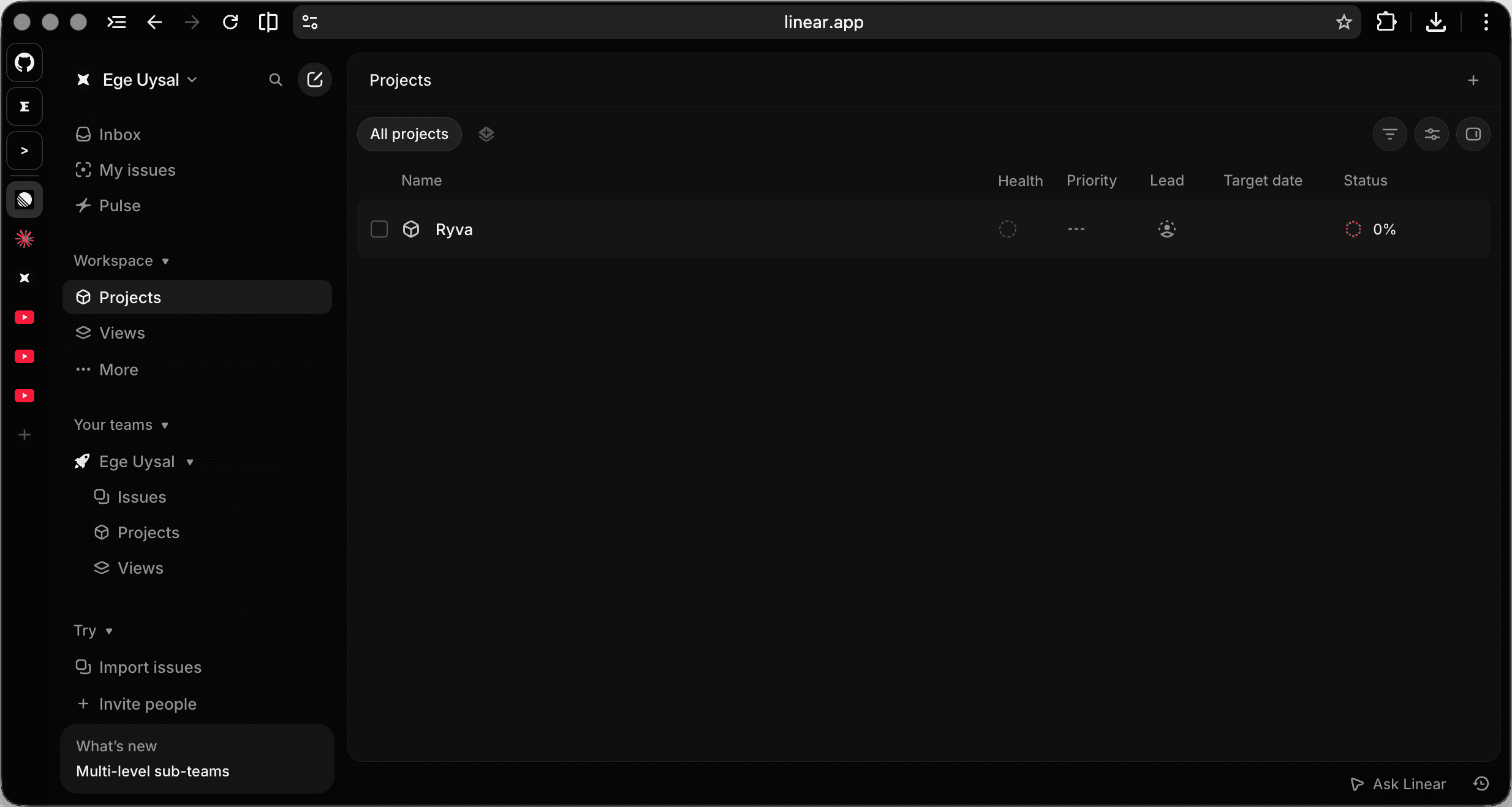
Linear, Jira, Shortcut:
These are task trackers with velocity reporting bolted on. They are excellent at giving you a structured view of planned work.
The gap: they only know what your team manually updates. They do not read your actual workflow. They read what people remembered to log. A ticket sitting in In Progress for eight days looks identical to one that moved through cleanly in eight days. The tool has no way to distinguish active work from silent drift.
Linear is the strongest of the three for small engineering teams. Fast, opinionated, good GitHub integration. Still requires humans to move cards.
Git reporting tools
Gitmore, GitClear, Swarmia, LinearB
This category has matured significantly. These tools read commit history and PR activity to surface engineering metrics: cycle time, review lag, deployment frequency. Some, like Gitmore, send AI-generated team summaries directly to Slack without requiring anyone to check a dashboard.
The gap: they tell you about code velocity, not project state. They can surface that a PR has been open for six days. They cannot tell you why, or what decision is blocking it.
- PR #241 open for 6 days
- 2 review requests sent
- 0 approvals
That is useful signal. It is not project state. The missing layer is the Slack thread where the team discussed whether to change the approach entirely, decided nothing, and moved on to other work.
Communication intelligence
This is the layer that barely exists yet.
Slack is where actual project decisions happen. It is also where context goes to die. Threads that contain critical decisions become unsearchable noise within days. A decision made in #eng-backend on a Tuesday is effectively invisible by Friday unless someone explicitly documented it somewhere else.
Nobody has built a mature solution for surfacing the decisions and open questions that live in Slack in a form that is actually usable for engineering leads. This is the gap most async-forward teams are trying to close manually, with decision logs and structured thread formats.
The data problem underneath all of this
Here is a stat worth sitting with.
AI-assisted development drove a 59% increase in average engineering throughput last year according to CircleCI's 2026 State of Software Delivery report. Yet throughput on the main branch declined 6.8% over the same period. More code is entering the pipeline. Less is making it to customers.
The constraint is no longer how fast your team can write code. It is whether your delivery infrastructure, including your visibility infrastructure, can keep up.
More code, more PRs, more Slack threads, more decisions. The volume of signal that needs to be synthesized into project state is growing faster than any team's ability to do it manually.
This is exactly why the visibility gap gets worse as teams scale, not better. The tooling is not keeping pace with the workflow.
What the missing category looks like
Every tool above answers one of two questions:
- What happened?
- What is someone working on?
The question most engineering leads are actually asking is something different:
Where is this project right now, and what is in the way?
That requires a different input set. It means reading both GitHub activity and Slack discussion and synthesizing them into a coherent picture of project state. It means surfacing the PR that is stalled because of an unresolved conversation in #eng-backend. It means flagging the decision that was raised three days ago and never closed.
A framework for evaluating any visibility tool
Rather than a ranked list, here is the lens that actually matters. A team has strong project visibility when three things are true.
Blockers surface before standups
If your team only learns about blockers in a meeting, you are running a reactive system. Strong visibility means blockers are flagged in writing, with context, as they appear, not assembled in a sync.
Open decisions have owners and timestamps
Most projects do not fail because of technical problems. They slow down because decisions sit in ambiguous states: raised in Slack, acknowledged, never formally closed. Visibility means knowing which decisions are open, who owns them, and how long they have been sitting.
Project state is readable without a meeting
Any engineering lead should be able to answer "what is the current state of this project?" in under two minutes without pinging anyone. If that is not possible today, there is a visibility gap in the tooling.
Use these three as your evaluation criteria for any tool in this space. Most project management tools pass the first loosely and fail the second and third entirely. Git reporting tools surface useful signal but do not reach decisions or state. The combination of both gets you closer, but the synthesis still happens manually.
How Ryva fits
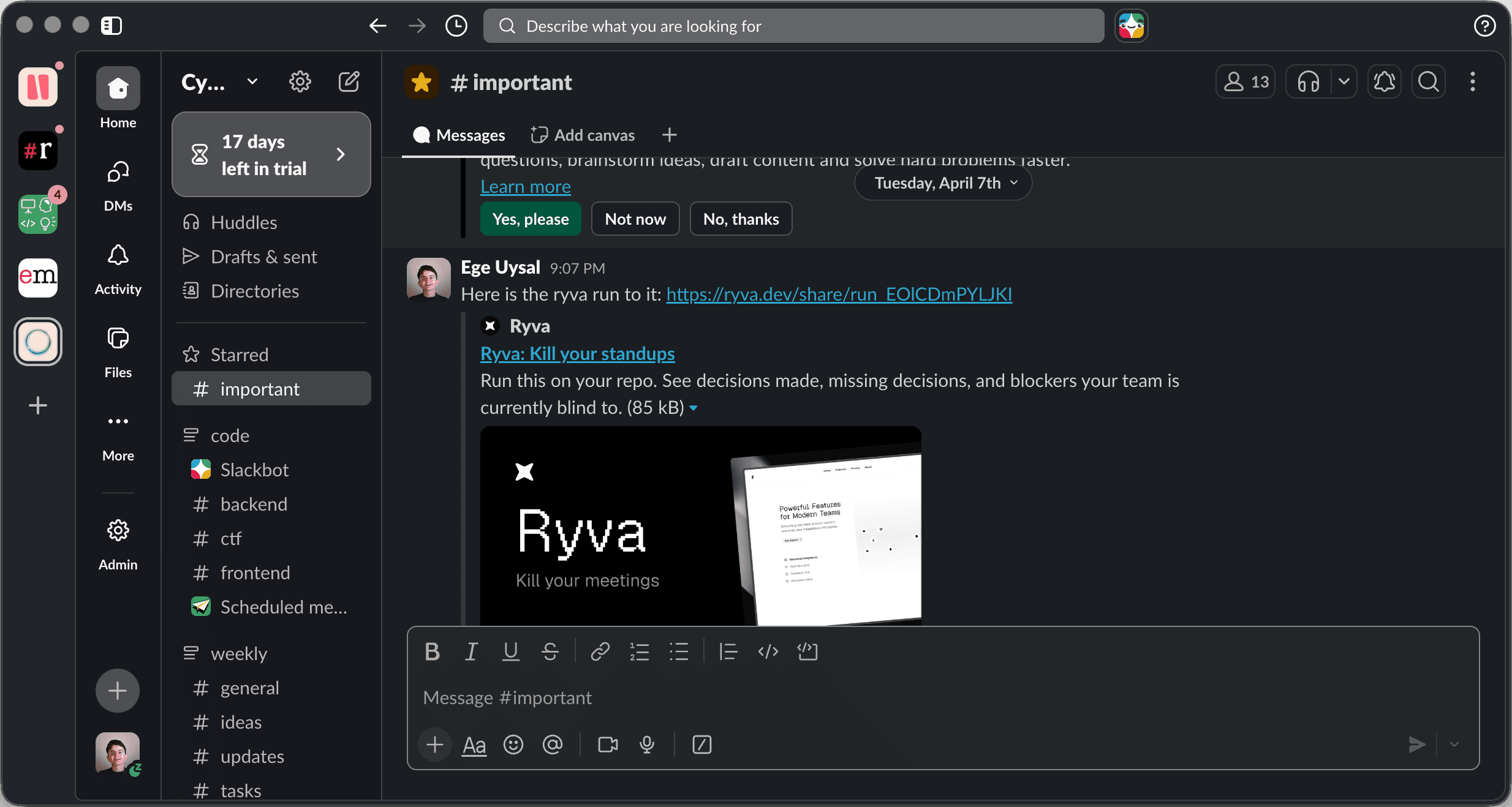
Ryva connects to GitHub and Slack and surfaces exactly this: the async state of a project. Open decisions, active blockers, and what has moved since the last read, built for engineering leads who want to run a tight async workflow without a daily sync.
If your team is already on GitHub and Slack and you want project state without the overhead of another dashboard to manually maintain, that is what Ryva is built for.
Want to see how one team replaced their daily standup with async state tracking? Read the CyberMinds case study.